

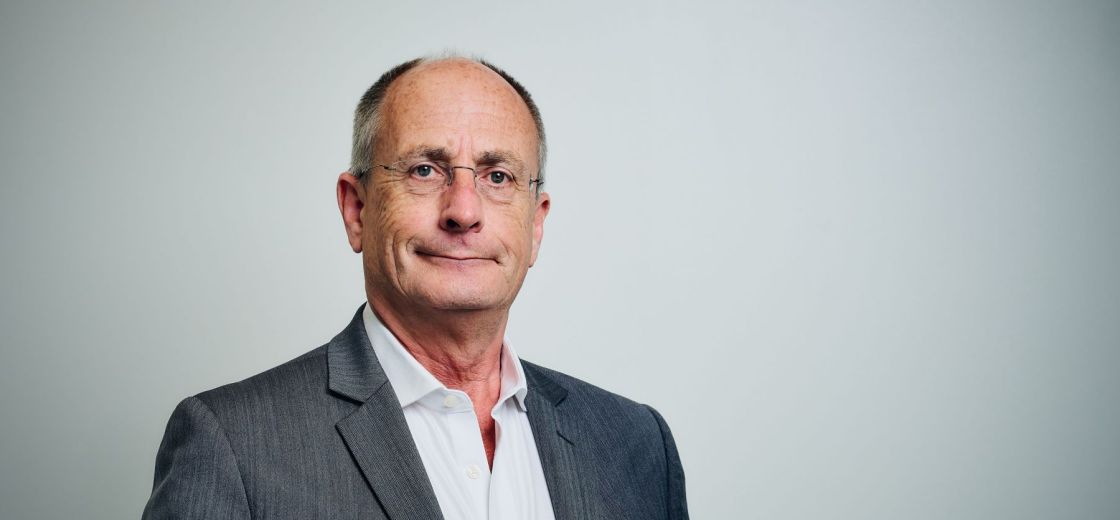
Sir Andy Mitchell CBE FREng (born 1960)
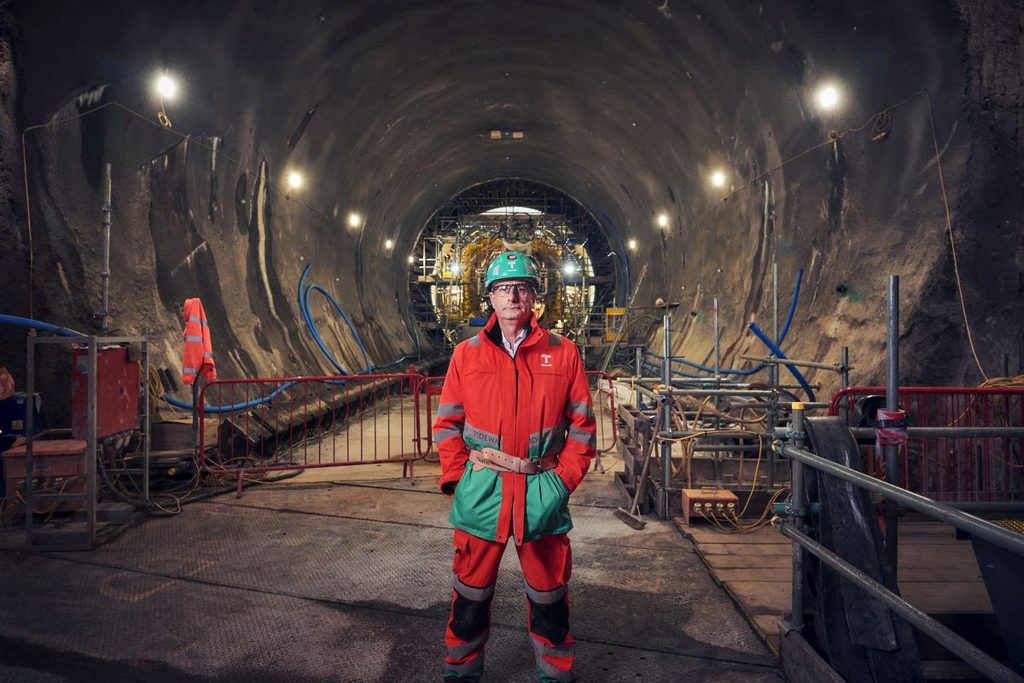
Civil Engineer who developed his skills in the UK and overseas, typically on major infrastructure projects and programmes, before returning to London to spend his last working 25 years on vital transport and sanitation projects, notably as programme director and Board member for Crossrail, and finally as CEO for Tideway (“the super sewer”).
City of London Connections
Over the past 25 years Sir Andy’s work has led to the upgrades of Farringdon and Blackfriars stations, providing 24 train-per-hour capability north-south (Thameslink) and 24 trains-per-hour east-west (Crossrail), placing the City of London even more centrally in London, and providing much greater transport and development opportunities to the City and the surrounding area.
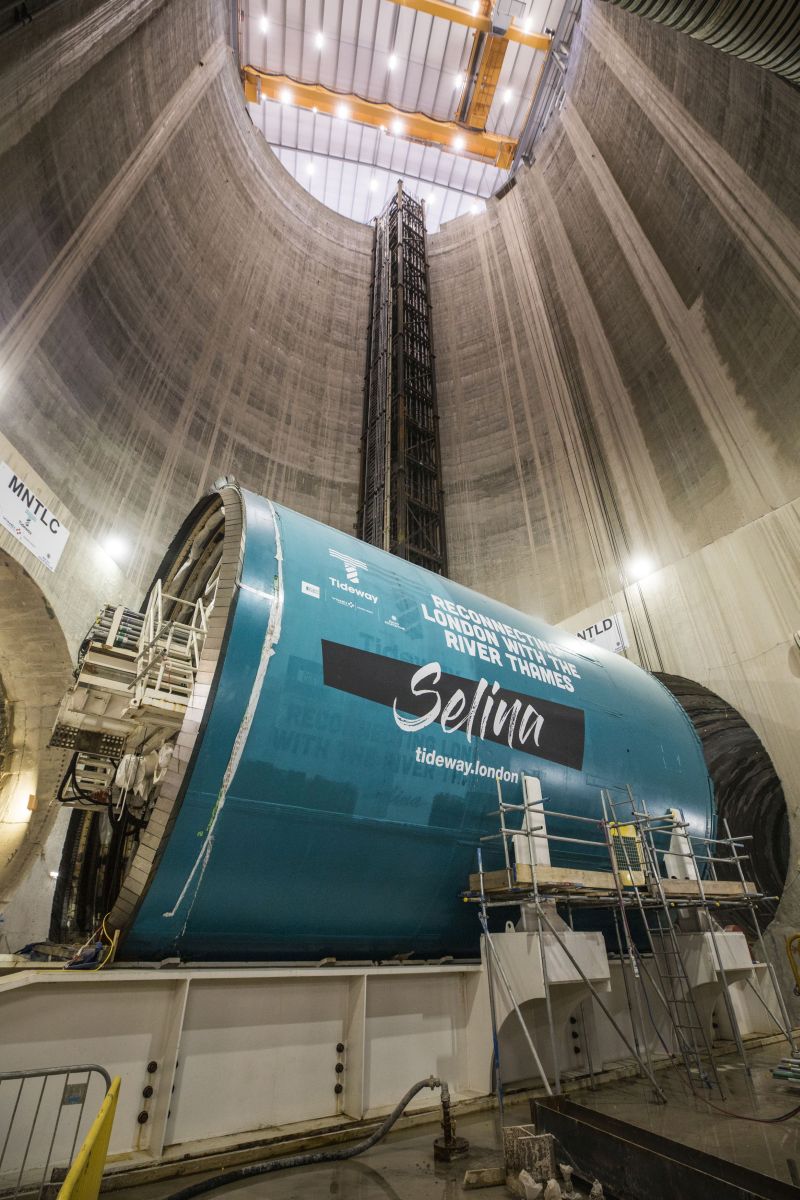
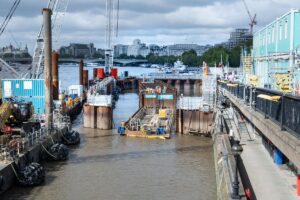
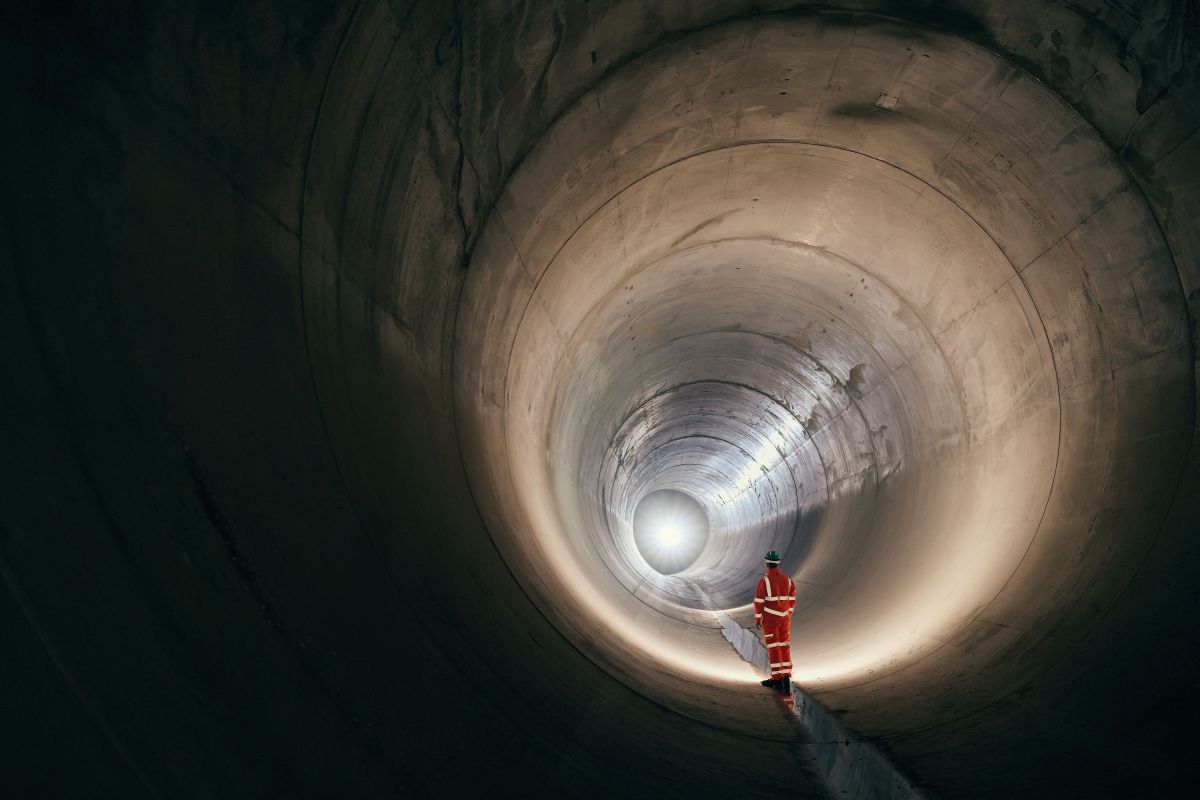
Tideway has upgraded London’s sewer system to cope with its growing population. The 25km tunnel intercepts, stores and ultimately transfers sewage waste away from the River Thames. The project prevents around 95% of the sewage overflows into the tidal section of the River Thames as it flows through the City of London. Tideway became fully operational in February 2025 and was officially opened in May 2025.
Contribution to Engineering
2001 Project Director Southern Power Supply Upgrade (enabling the New Trains Programme replacing the “slam door” stock serving London with newer, safer trains)
2004 Programme Director, The Thameslink Programme
2008 Became Fellow of the Institution of Civil Engineers
2009 Programme Director, Crossrail
2014 Chair of the Infrastructure Client Group
2014 CEO, Tideway
2015 Became Fellow of the Royal Academy of Engineering
2015 Awarded a CBE for Services to Civil Engineering
2016 Inaugural Chair of the Infrastructure Industry Innovation Programme (i3P)
2018 Co-chair of the Construction Leadership Council
2025 Member of the Masterplan Committee for the British Museum
2026 Awarded a Knighthood for Services to the Construction Industry
Legacy
The Thames Tideway Tunnel will protect the river for at least the next 100 years. Creating a cleaner, healthier river is part of the legacy—but it is far from the whole story. Tideway will also create a wider legacy for the capital and, in doing so, help realise the vision to reconnect London with the River Thames.
The primary task of the project was to provide the infrastructure that London needs to flourish economically and socially for decades to come. The intention was to do much more; seizing the opportunity to maximise the broader benefits that the project offered. A range of benefits will remain that go beyond and outlive tunnel construction, including new standards for health, safety and wellbeing in delivering major projects; a rejuvenated river economy and a new public realm for the people of London to enjoy and connect with the River Thames.
All images courtesy of Thames Tideway
Contribution to SDGs
SDG 3 – Health and Wellbeing. From the very beginning Tideway made the health, safety and wellbeing of everyone working on the project or living nearby the most important consideration – above all others. This focus led to over 42 million workhours and 6 million tonnes of river shipments without a life-changing injury, alongside 14 million truck-kilometres in central London without any accidents or injuries. Mental health and wellbeing was also a strong focus, seeing Tideway support the establishment of mental health in construction charity Mates in Mind.
SDG 4 – Education and Lifelong Opportunities
SDG 5 – Gender Equality and empowerment for all women and girls
SDG 6 – Sanitation
SDG 9 – Resilient Infrastructure
SDG 11 – Sustainable Cities
Related items

Sir John Wolfe Barry (1836-1918)


Sir John Parker GBE FREng (born 1942)


Ludwik Finkelstein OBE FREng (1929-2011)
